
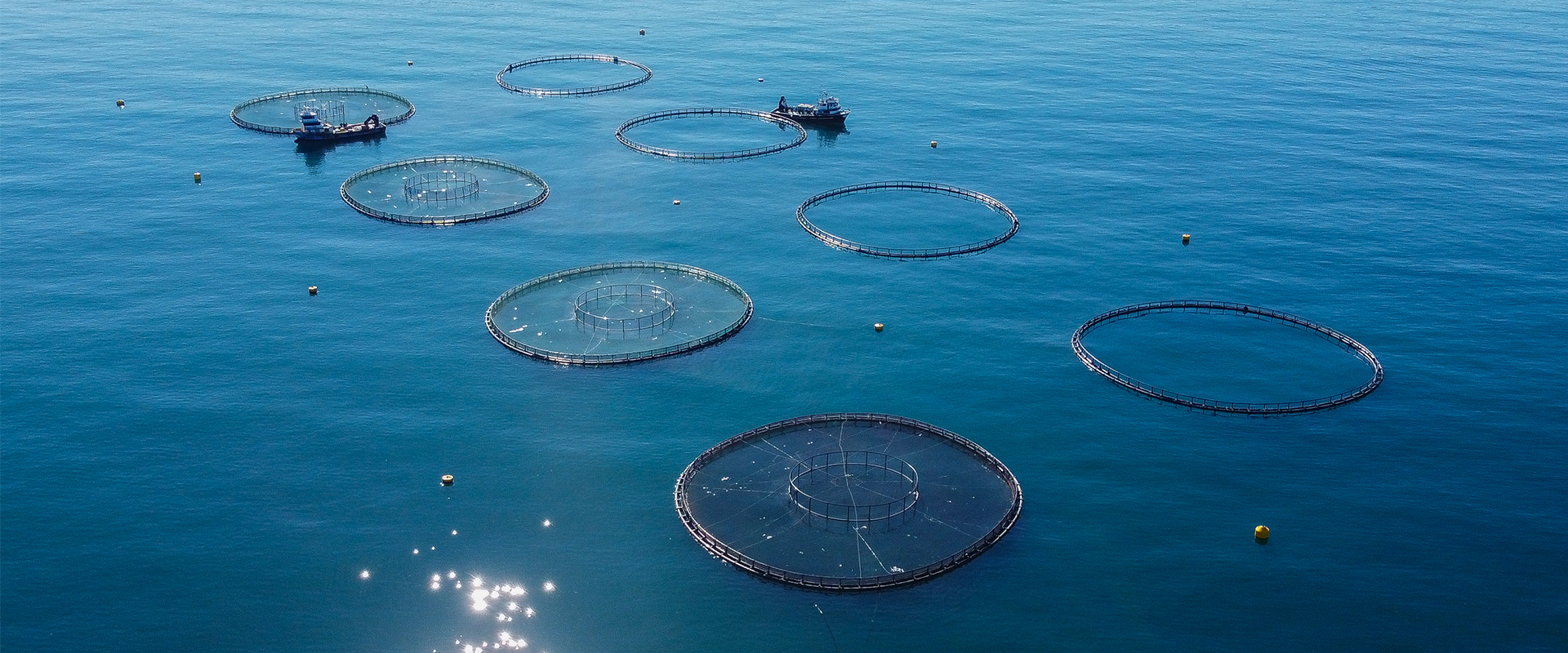
Best Practices for Turkish Salmon and International Procurement
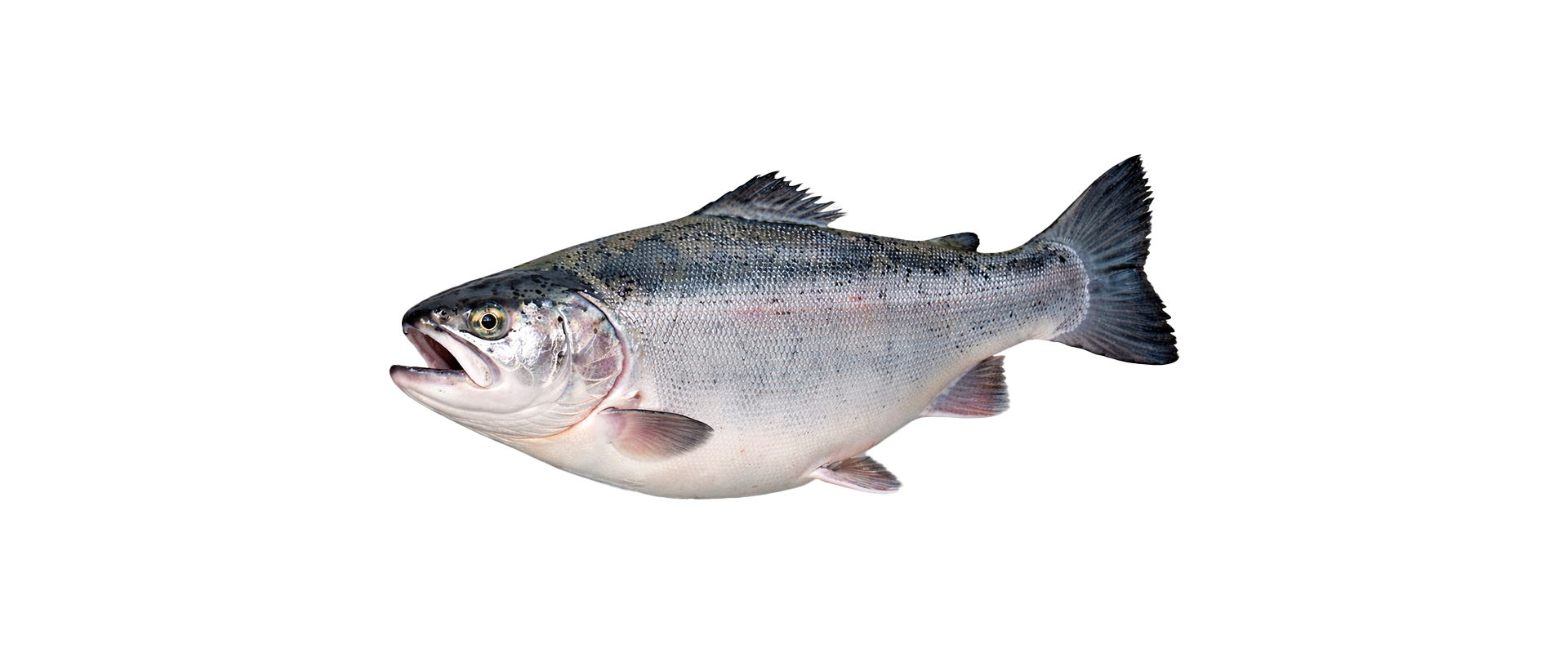
Turkish salmon is increasingly becoming a staple in global seafood markets, renowned for its high quality and sustainability. This guide provides insight into the best practices for procuring Turkish salmon, emphasizing its advantages in both local and international environments. Understanding the nuances of procurement can significantly enhance your supply chain efficiency and seafood quality, ensuring that your operations align with global standards and consumer demands. An emphasis on sustainable fishing methods and aquaculture practices underpins the integrity of Turkish salmon, making it an exemplary choice for discerning buyers worldwide.
Mastering the Procurement of Turkish Salmon
The procurement of Turkish salmon involves several key best practices that elevate its status in the competitive market. First and foremost, prioritizing sustainability is essential. Engaging with fisheries that employ responsible catching methods not only preserves marine life but also enhances the reputation of the supplier. Furthermore, understanding international export regulations is crucial; compliance with these standards ensures smooth logistics and quality assurance. The flavor profile and nutritional benefits of Turkish salmon make it appealing to health-conscious consumers, thus widening its market reach. Investing in high-quality freezing and storage techniques further guarantees that the salmon retains its freshness during transit.
Collaboration with reliable suppliers in the Turkish aquaculture sector can lead to better procurement strategies. It is imperative to establish long-term relationships, which can enable better pricing structures and access to premium products. Regular quality checks and assessments allow purchasers to maintain high standards in their offerings. Additionally, educating end consumers about the sustainable sourcing of Turkish salmon can boost market demand, making it a beneficial strategy for all stakeholders involved. Overall, adopting these best practices not only enhances the procurement process but also promotes a sustainable seafood industry, benefiting the environment and communities alike.
Sustainability in Seafood
Adopting sustainable fishing practices ensures the long-term viability of fish populations and ecosystems.
Understanding Export Standards
Familiarity with international trade regulations enhances compliance and facilitates smoother transactions.
Quality Assurance
Regular inspections and quality controls uphold the high standards expected of Turkish salmon in global markets.
Coastal Logistics Connections
Production and processing operations linked to coastal regions can coordinate with ports, road networks, airports, and refrigerated transport providers. Exporters select the most suitable logistics route for Turkish salmon according to destination, lead time, temperature condition, shipment volume, and buyer delivery expectations.
Access to European Markets
For European importers, Turkish salmon can provide an additional origin within the wider regional seafood supply landscape. Road, sea, and air connections may be evaluated according to destination, delivery schedule, fresh or frozen format, and the buyer's cold-storage and receiving capabilities.
Türkiye as a Regional Seafood Supplier
Türkiye's location between Europe, Asia, the Middle East, and the Black Sea gives Turkish salmon exporters access to several regional trade corridors. Buyers can evaluate transport routes and delivery programs according to destination distance, product condition, shipment size, and local distribution requirements.
Turkish Salmon and the Black Sea Region
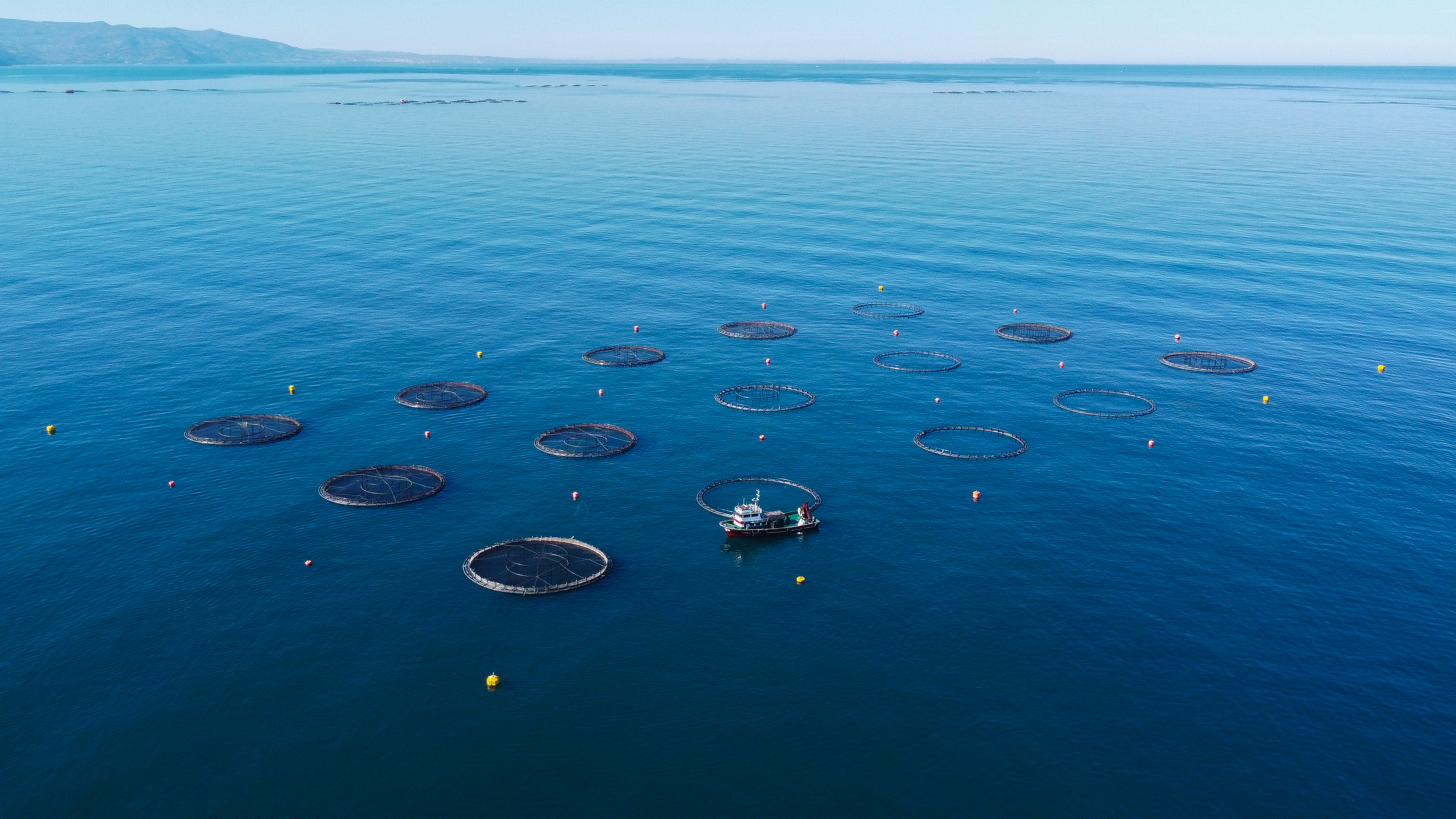
Turkish salmon is closely associated with aquaculture activity connected to Türkiye's Black Sea region. This regional identity gives exporters a clear origin story and allows international buyers to position the product around its Turkish production background, coastal supply network, and connection to a recognized seafood-producing area.
Black Sea Origin Story for Buyers
The Black Sea context can support product communication in retail displays, menus, catalogs, and digital campaigns. Importers may use the Turkish regional origin to differentiate their salmon range while keeping all marketing statements aligned with the actual producer, batch, and documented supply information.
Connection to Middle Eastern Demand
Türkiye's proximity to Middle Eastern markets creates commercial potential for Turkish salmon suppliers serving wholesalers, supermarkets, hotels, restaurants, and catering businesses. Product format, labeling language, documentation, packaging, and delivery planning can be adapted to the specific requirements of each destination.
Regional Cold-Chain Coordination
Maintaining Turkish salmon quality requires cooperation between local processors, cold stores, transport companies, freight forwarders, and destination partners. Regional cold-chain coordination supports controlled movement from the production area to international loading and onward delivery.
Frequently Asked Questions
Is glazing used on frozen Turkish salmon?
Glazing may be applied to certain frozen products to support product protection during storage. Buyers should confirm whether glazing is used, the agreed declaration method, net-weight basis, packaging information, and destination labeling requirements before ordering.
Can labels be printed in multiple languages?
Multilingual labels may be prepared when the buyer supplies or approves accurate translations and mandatory destination information. Product identity, net weight, storage condition, batch coding, importer details, barcode, and regulatory statements should be reviewed before printing.
Which certifications can a Turkish salmon supplier provide?
Certifications differ among farms, processors, products, and export programs. Buyers should request current certificates directly from the supplier, verify their scope, facility name, validity, product coverage, and issuing body, and avoid assuming that one certificate covers every shipment.
Who approves private-label artwork?
The buyer normally provides or approves brand artwork, while the exporter confirms production feasibility and printing requirements. Both parties should sign off on the final file, product details, dimensions, colors, barcode, language, and mandatory information before packaging is produced.
How is net weight confirmed for export cases?
Net weight is checked according to the product format, packing process, agreed tolerances, and applicable commercial requirements. Importers should define whether they require fixed or variable weights and how case-level and unit-level weights should appear on labels and documents.
Can Turkish salmon fillets be supplied skin-on or skinless?
Skin-on or skinless fillet options may be available depending on processing capability and order specification. Buyers should also confirm trimming, pin-bone removal, fillet weight, packing style, fresh or frozen condition, and any tolerances required for their market.
Documentation Should Be Planned Early
Export documentation is most effective when destination requirements are confirmed before production and dispatch. Early coordination between the Turkish salmon exporter, importer, customs broker, and logistics provider helps reduce avoidable delays and inconsistent shipment information.
Explore related content
Continue with pages and guides that complement this topic.