
Best Practices for Turkish Salmon and Global Purchasing
Turkish Salmon has gained recognition for its exceptional quality and flavor, making it a favorite among seafood lovers and chefs worldwide. As the demand for high-quality fish continues to rise, understanding the best practices for sourcing and purchasing Turkish Salmon becomes crucial. This guide explores essential strategies for engaging with suppliers and ensuring sustainability in seafood sourcing, ultimately helping to elevate culinary experiences while supporting responsible fishing practices. By embracing these best practices, businesses can not only enhance their offerings but also contribute positively to the environment.
Navigating the World of Turkish Salmon: Best Practices for Quality and Sustainability
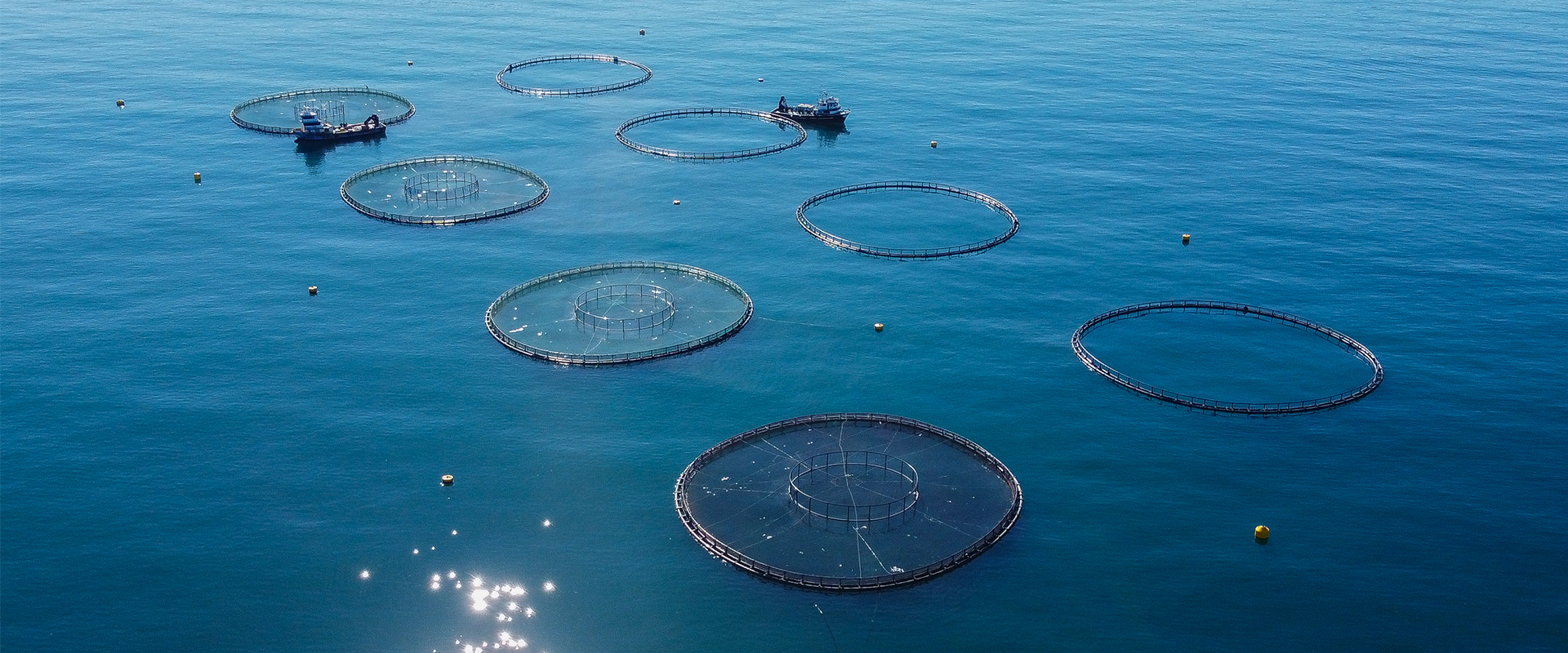
Central to the effective sourcing of Turkish Salmon is the emphasis on quality control and sustainable fishing practices. The Kıyak Group, based in Samsun, is a testament to these principles, producing premium Turkish Salmon with a commitment to environmental sustainability. When purchasing, consider suppliers who prioritize traceability and transparent sourcing methods. This means knowing where and how the fish is caught, as well as understanding the farming practices involved.
Additionally, buyers should be attentive to certifications that indicate a commitment to sustainability, such as those verifying compliance with environmental standards. Exploring relationships with local fishermen and aquaculture farms that implement responsible practices can also lead to fresher and more ethically sourced fish. Generating partnerships with suppliers who share these values will foster a community committed to high-quality and sustainable fishing.
Finally, staying informed about global trends in seafood purchasing can enhance decision-making. Understanding market demands, consumer preferences, and sustainability trends helps in negotiating better terms with suppliers and in anticipating future market shifts. By integrating best practices into the purchasing strategy, businesses can achieve both market success and contribute to the preservation of marine ecosystems.
Quality Control
Prioritize suppliers who implement rigorous quality control measures from catch to delivery.
Sustainability Certifications
Seek fish products with certifications that confirm their sustainable sourcing practices.
Traceability and Transparency
Ensure supply chains are transparent so the origin and methods of sourcing are clear.
Processing Control and Verification
Heading, gutting, filleting, trimming, deboning, and portioning operations can be checked against the confirmed order specification. This verification helps ensure that Turkish salmon is prepared in the format expected by wholesalers, retailers, food-service buyers, and processors.
Long-Term Supplier Partnership
Trust develops when the exporter consistently meets agreed specifications, communicates openly, maintains documentation, and supports the buyer after delivery. A long-term Turkish salmon partnership allows both parties to improve planning, forecast demand, refine products, and build stable international business.
Packaging Integrity Checks
Export packaging is reviewed to confirm that cases are correctly assembled, closed, labeled, and suitable for the selected product condition. Strong packaging integrity helps protect Turkish salmon during cold storage, loading, transit, unloading, and onward distribution.
Destination Receiving Transparency
Importers can assess shipment identity, packaging, quantities, temperature, documents, and product condition using their receiving procedure. Recording observations immediately creates an objective basis for accepting the Turkish salmon shipment and communicating any issue to the exporter.
Traceable Production Records
Turkish salmon export programs can be supported by batch-based production, processing, packing, and shipment records. Clear traceability gives importers better visibility into product movement and helps them manage receiving checks, inventory control, customer questions, internal quality procedures, and supply-chain documentation.
Consistent Performance Across Orders
A trustworthy Turkish salmon supplier should demonstrate repeatable results in product specification, packing, documentation, communication, and delivery coordination. Reviewing performance across multiple shipments gives buyers stronger evidence than relying on a single successful order.
Controlled Cold-Chain Management
Temperature-controlled handling during processing, storage, loading, and international transport is central to Turkish salmon quality management. Coordinated cold-chain practices help maintain the intended condition of fresh, chilled, or frozen products until they reach the buyer's receiving facility.

Frequently Asked Questions
Is cargo insurance included in the quotation?
Cargo insurance is not automatically included in every offer. Buyers should review the stated Incoterm and quotation details, confirm who arranges insurance, understand coverage limits and exclusions, and ensure that temperature-sensitive seafood risks are addressed appropriately.
Is modified-atmosphere packaging available?
Modified-atmosphere packaging may be considered only when the supplier has the appropriate equipment and validated product program. Buyers should review pack materials, gas system, storage conditions, shelf-life data, transport time, destination rules, and retail handling before approval.
Can buyers use their own freight forwarder?
Buyers may be able to nominate their own forwarder when this matches the agreed delivery term and exporter procedures. The forwarder must coordinate equipment, collection, documentation, temperature control, loading time, route, and communication with both parties.
How is product temperature checked before loading?
The exporter follows its approved monitoring procedure and records relevant product or storage conditions before dispatch. Buyers should ask which measurements are taken, how results are documented, and what acceptance limits apply to the selected fresh, chilled, or frozen format.
Can Turkish salmon portions have fixed weights?
Fixed-weight or controlled-range portions may be possible for qualifying orders. Buyers should define target weight, tolerance, cut style, skin condition, packing count, freezing or chilling requirement, and expected volume so the processor can assess feasibility and pricing.
Can mixed-size Turkish salmon orders be arranged?
Mixed-size orders may be possible depending on stock, production planning, minimum quantities, packaging, and shipment configuration. Buyers should list acceptable size groups and volumes separately so the exporter can confirm availability and quote each specification accurately.

Documentation Should Be Planned Early
Export documentation is most effective when destination requirements are confirmed before production and dispatch. Early coordination between the Turkish salmon exporter, importer, customs broker, and logistics provider helps reduce avoidable delays and inconsistent shipment information.
Explore related content
Continue with pages and guides that complement this topic.