
Best Practices for Turkish Salmon and Export Procurement
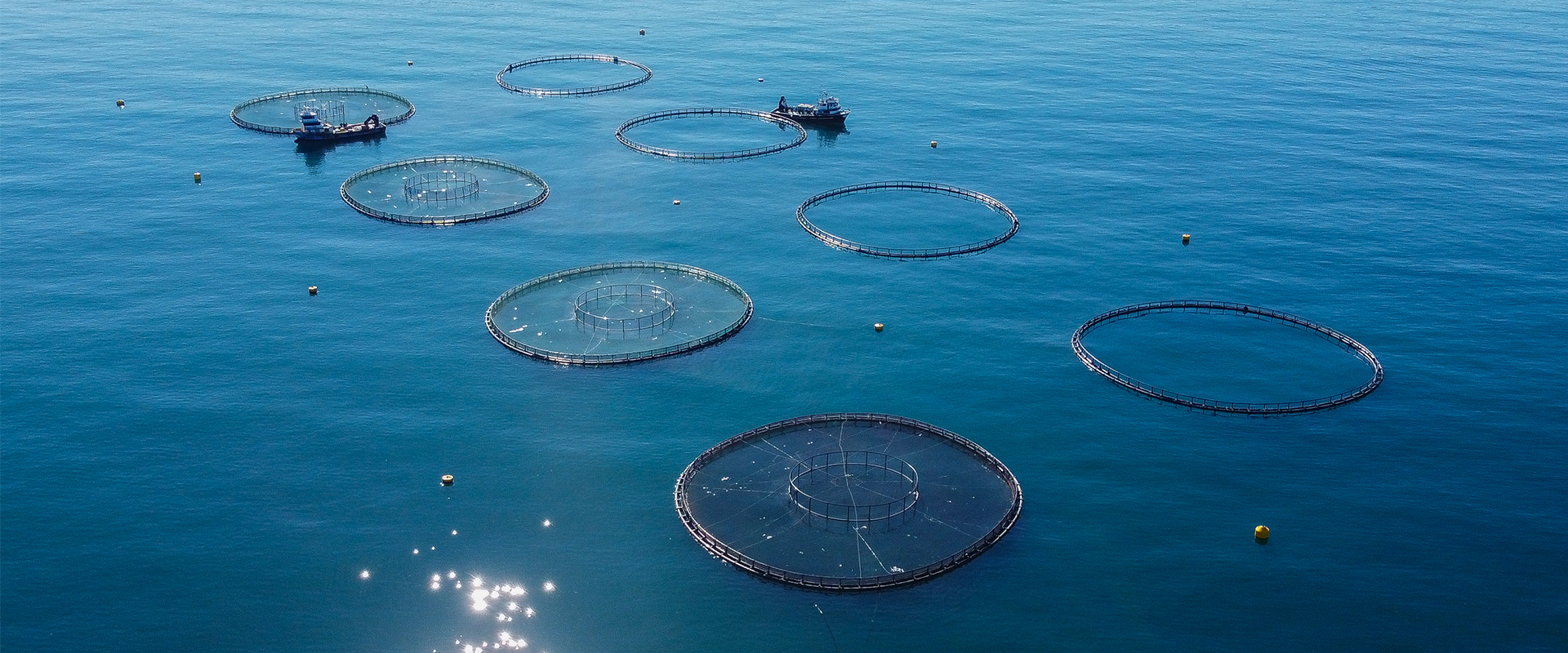
In the competitive global market, Turkish Salmon stands out due to its quality and flavor, originating from sustainable farms in Samsun. When looking to procure and export this delicacy, understanding the industry's best practices is crucial. This guide offers insights into how to effectively source Turkish Salmon while ensuring compliance with international standards and promoting sustainable fisheries management. By adopting these practices, businesses can enhance their supply chain efficiency and strengthen their market position in the seafood industry.
Optimizing the Sourcing of Turkish Salmon
To successfully navigate the procurement of Turkish Salmon, it is essential to focus on several best practices. First, establish partnerships with reputable suppliers. Kıyak Group, based in Samsun, is known for its commitment to high-quality production standards and sustainable practices. Engaging with such established entities not only assures quality but also helps in building trust with your customers.
Second, ensure compliance with international export regulations. Understanding the legal framework governing fish exports is vital to avoid penalties and ensure smooth logistics. This includes proper labeling, adherence to catch size regulations, and verification of sustainable harvesting methods. By partnering with suppliers who prioritize compliance, companies can mitigate risks associated with international trade.
Third, implement quality control measures. Continuous monitoring of the supply chain from processing to delivery helps maintain the integrity of the product. Regular inspections and certifications ensure that the Turkish Salmon meets both domestic and international standards, thereby appealing to a broader customer base.
Finally, focus on marketing the unique attributes of Turkish Salmon. Its rich flavor profile and health benefits can be leveraged in promotional strategies, distinguishing it from competitors. Engaging with chefs and food influencers can amplify visibility and demand in diverse markets.
Partnering with Reputable Suppliers
Collaborating with established companies like Kıyak Group ensures reliable sourcing and high-quality standards.
Compliance with Export Regulations
Stay informed about international laws and guidelines to streamline the export process.
Implementing Quality Control
Regular assessments throughout the supply chain help maintain product integrity.
Advantages for Foodservice Operations
For restaurants, hotels and catering companies, Turkish salmon offers flexibility across appetizers, main courses, bowls, sandwiches and buffet dishes. Calibrated portions can improve plate consistency and make food-cost calculations easier, while larger fillets give chefs freedom to create custom cuts. Operational value depends on more than purchase price: usable yield, trim, labor, cooking loss, packaging and waste all affect the real cost per serving. Before a large order, foodservice buyers should test the selected specification in their own kitchen and record portion yield and cooking performance. A stable supply program, clear delivery schedule and consistent product code are especially important when the same recipe is served across multiple locations.
Oven Baking for Consistent Results
Oven baking is a practical method for Turkish salmon because it handles individual portions or larger fillet sections with relatively little active labor. Portions can be placed with vegetables, citrus slices and herbs to create a complete tray-style preparation, while parchment or covered cooking can limit moisture loss. Consistency improves when pieces have similar thickness and are spaced so hot air can circulate. The correct endpoint must follow the kitchen’s approved food-safety procedure and account for carryover cooking after removal from the oven. For catering, baked salmon can also simplify batch planning, provided cooked food is held, cooled or reheated under controlled conditions. Sauces are best added with attention to the fish’s natural richness.
A Practical Choice for Balanced Meals
Turkish salmon fits easily into balanced meal planning because a single portion can serve as the main protein while vegetables, grains or legumes complete the plate. Its satisfying texture and natural richness often reduce the need for heavy sauces, which gives chefs room to create lighter recipes with herbs, lemon, roasted vegetables or grain salads. Portion size should be selected according to the customer group, recipe and local dietary guidance rather than a single universal rule. The final nutritional value also depends on preparation: breading, deep-frying and rich sauces produce a different meal from baking or grilling. Clear menu descriptions help consumers understand both the fish and the way it has been prepared.
Menu Versatility Across Cuisines
Turkish salmon can be used in Mediterranean, European, Asian-inspired, and modern fusion recipes, depending on the buyer's culinary direction. Its adaptable use allows food-service teams to include it in grilled dishes, salads, pasta, rice bowls, sandwiches, appetizers, and seasonal menu specials.
Packaging Preparation
Packaging materials are selected according to the product format, temperature condition, case size, buyer requirements, and transport plan. Packs are assembled to protect the Turkish salmon during handling while supporting efficient stacking, storage, identification, and receiving at the destination.
Evaluate Total Landed Cost
Importers should compare more than the product price by considering freight, insurance, customs costs, handling, storage, local transport, packaging, and potential processing yield. Reviewing the total landed cost provides a more accurate basis for selecting a Turkish salmon supplier and product format.
Quality Checks at Receiving
Incoming Turkish salmon can be checked for batch identity, size, general appearance, temperature, and production information before processing begins. Documented receiving controls help prevent unsuitable raw material from continuing through the production line and support a more reliable finished product.
Frequently Asked Questions
Can mixed-size Turkish salmon orders be arranged?
Mixed-size orders may be possible depending on stock, production planning, minimum quantities, packaging, and shipment configuration. Buyers should list acceptable size groups and volumes separately so the exporter can confirm availability and quote each specification accurately.
Can specifications be changed after order confirmation?
Changes may be possible only before certain production or packaging stages and require exporter approval. Adjustments to size, cut, quantity, label, pack, date, or destination can affect availability, price, lead time, documents, and already purchased materials.
Is cargo insurance included in the quotation?
Cargo insurance is not automatically included in every offer. Buyers should review the stated Incoterm and quotation details, confirm who arranges insurance, understand coverage limits and exclusions, and ensure that temperature-sensitive seafood risks are addressed appropriately.
What sizes of whole Turkish salmon are available?
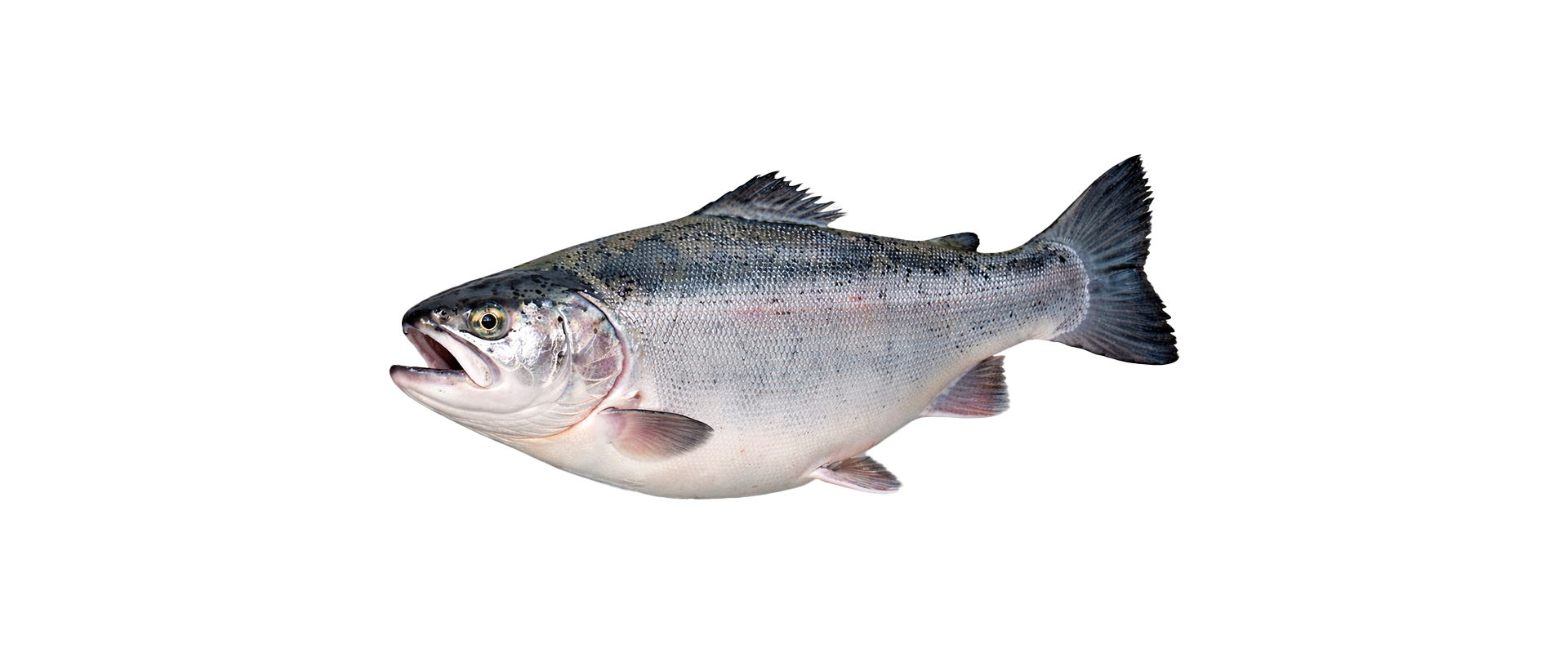
Available whole-fish sizes depend on the production cycle, harvest plan, season, grading program, and current stock. Buyers should state their acceptable minimum and maximum range and ask the exporter to confirm availability before finalizing packaging and shipment quantities.
Is modified-atmosphere packaging available?
Modified-atmosphere packaging may be considered only when the supplier has the appropriate equipment and validated product program. Buyers should review pack materials, gas system, storage conditions, shelf-life data, transport time, destination rules, and retail handling before approval.
How is net weight confirmed for export cases?
Net weight is checked according to the product format, packing process, agreed tolerances, and applicable commercial requirements. Importers should define whether they require fixed or variable weights and how case-level and unit-level weights should appear on labels and documents.
Trial Orders Provide Practical Evidence
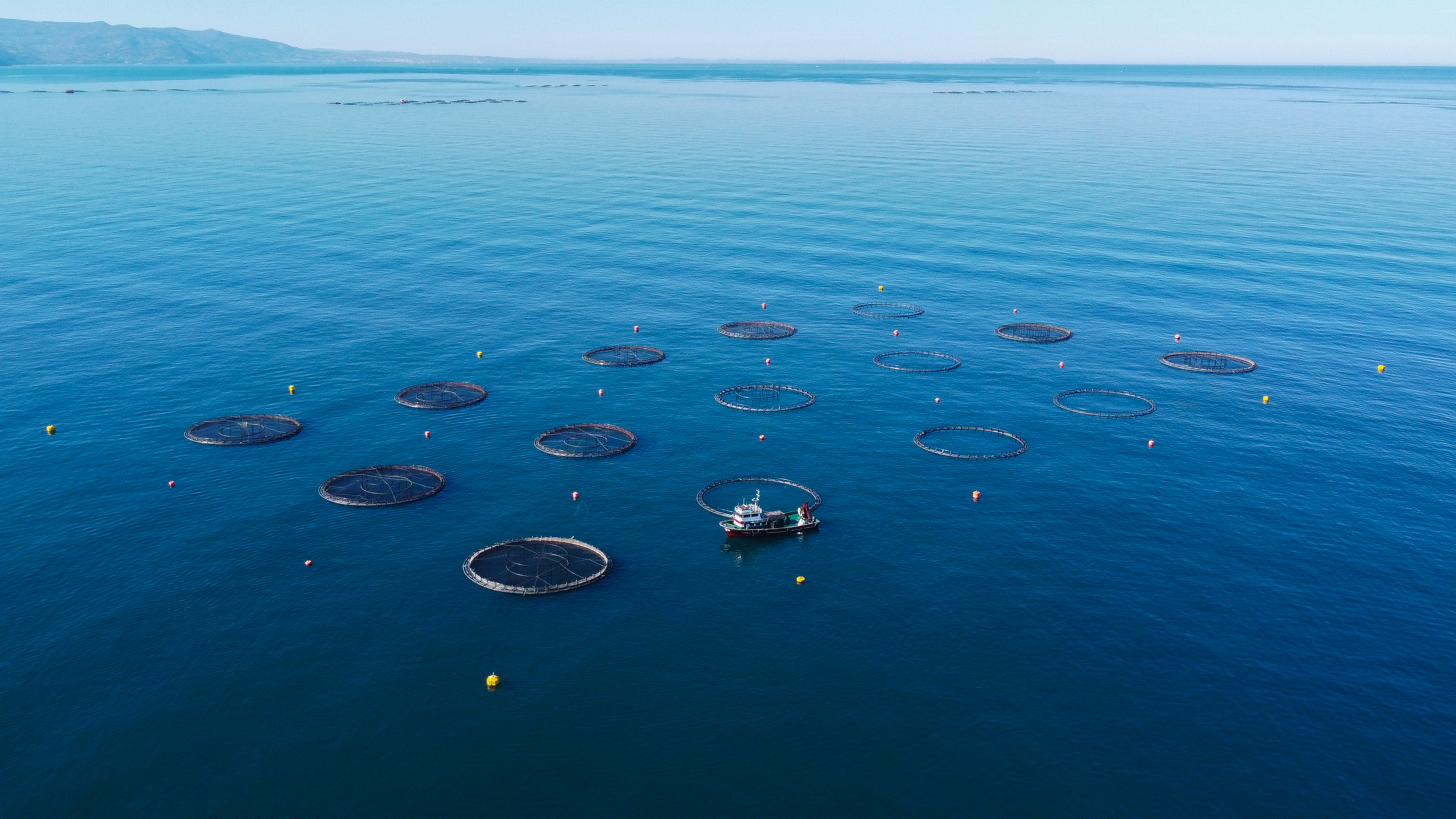
A controlled trial order is an effective way to evaluate Turkish salmon quality, specification accuracy, packaging, documentation, transit performance, and customer response. The findings help both parties make evidence-based decisions before moving to larger or recurring volumes.
Explore related content
Continue with pages and guides that complement this topic.