
Best Practices for Turkish Salmon and Commercial Import
Turkish Salmon has gained international recognition for its quality and sustainability. Implementing best practices from the farm to the export stage is crucial for maintaining its reputation and ensuring a competitive edge in the market. As the demand for quality seafood continues to rise, understanding the nuances of production and import regulations is paramount for exporters and consumers alike. This overview outlines key practices to enhance the quality of Turkish Salmon and smoothen the commercial import process.
Essential Practices in Turkish Salmon Production
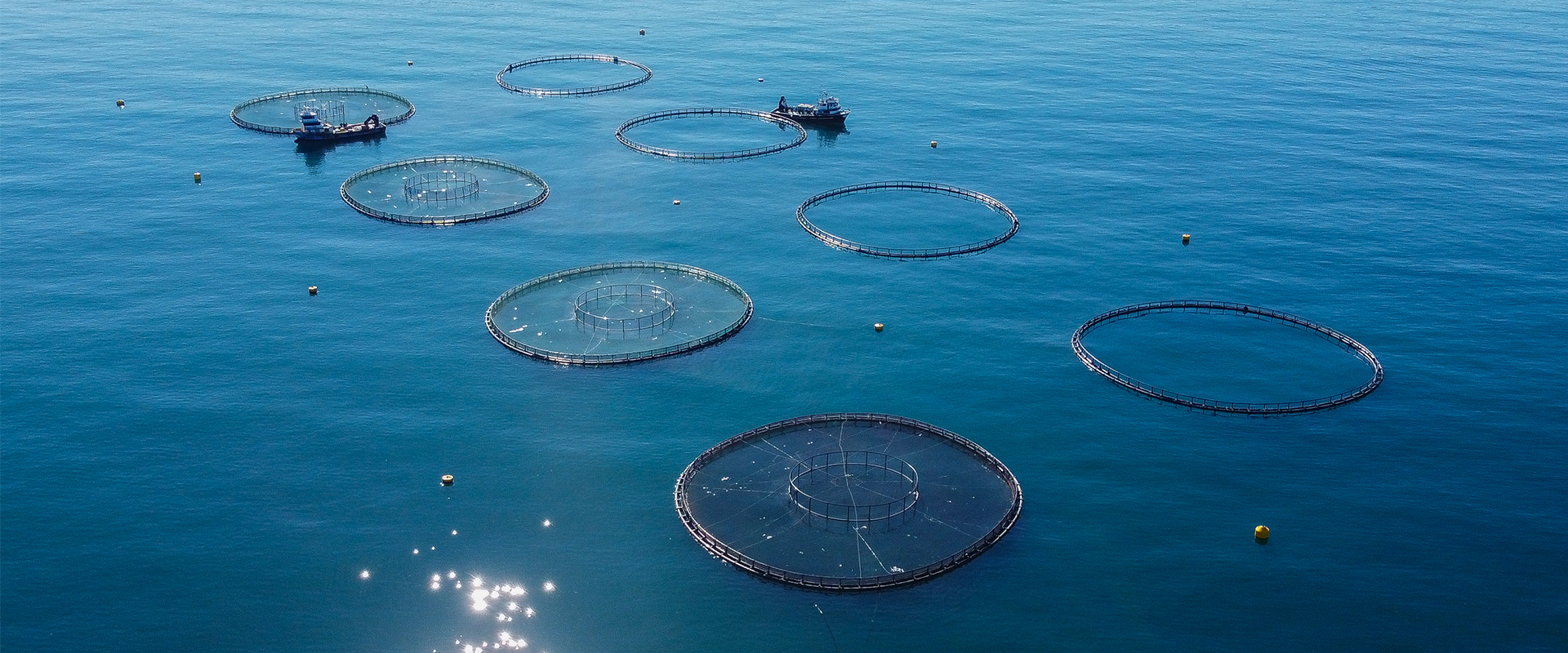
Turkish Salmon farming is characterized by strict adherence to sustainable practices, ensuring the health of fish populations while also protecting marine ecosystems. Key best practices include proper feeding techniques, water quality management, and disease prevention strategies.
1. **Sustainable Feeding**: Use high-quality feed that meets the nutritional needs of salmon while minimizing environmental impact. This includes sourcing feed ingredients that are responsibly harvested. 2. **Water Quality Management**: Regular monitoring of water quality parameters—such as temperature, oxygen levels, and pH—is necessary to ensure optimal growth conditions. Implementing advanced filtration and aeration systems enhances the living conditions for salmon. 3. **Health Monitoring and Disease Control**: Keeping fish healthy requires regular health checks and responsible use of veterinary medicines. Employing biosecurity measures helps prevent disease outbreaks, which can significantly impact production. 4. **Harvesting Techniques**: Employ humane harvesting methods to ensure product quality and consumer safety. Avoid handling stress during the harvesting process. 5. **Traceability and Documentation**: Accurate record-keeping and traceability systems support compliance with export regulations. This instills confidence in buyers regarding the source and quality of the fish. 6. **Compliance with Import Regulations**: Understanding and adhering to international import regulations are essential. Stay updated on the requirements of target markets to avoid potential barriers to entry.
By focusing on these best practices, producers can elevate the quality of Turkish Salmon, aiding both local and international commercial import efforts. This not only enhances marketability but also ensures sustainability in the fishing sector, which is vital for long-term success.
Sustainable Practices
Utilizing environmentally responsible methods in farming helps maintain ecosystem balance.
Quality Control
Implementing strict quality control measures ensures high-standard products for export.
Market Compliance
Understanding international import requirements is essential for successful export.
Accurate Label and Batch Coding
Correct product names, weights, batch references, storage instructions, and buyer-specific label details support transparent distribution. Accurate Turkish salmon labeling reduces receiving confusion, improves warehouse control, and helps products remain identifiable through retail, food-service, and processing channels.
Regular Quality Feedback
Feedback from receiving teams, warehouse staff, processors, retailers, chefs, and end customers can be reviewed after delivery. Sharing this information with the Turkish salmon exporter supports specification improvements, better packaging decisions, and more consistent future supply programs.
Consistent Performance Across Orders
A trustworthy Turkish salmon supplier should demonstrate repeatable results in product specification, packing, documentation, communication, and delivery coordination. Reviewing performance across multiple shipments gives buyers stronger evidence than relying on a single successful order.
Hygienic Handling Practices
Professional seafood processing relies on established hygiene procedures for personnel, equipment, surfaces, tools, water use, waste handling, and production areas. Buyers should evaluate how the Turkish salmon supplier applies and records these controls within daily operations.
Final Order Conformity Review
Before dispatch, the completed Turkish salmon order can be reviewed against the packing list and approved specification. Checking case quantities, weights, labels, packaging condition, product format, and batch references helps detect discrepancies before the shipment leaves the facility.
Consistent Sorting and Grading
Sorting Turkish salmon according to agreed weight ranges and product criteria creates greater consistency within export cases. Reliable grading supports predictable retail presentation, restaurant portioning, processing yield, stock planning, and customer satisfaction across repeated orders.
Quality Checks at Receiving
Incoming Turkish salmon can be checked for batch identity, size, general appearance, temperature, and production information before processing begins. Documented receiving controls help prevent unsuitable raw material from continuing through the production line and support a more reliable finished product.

Frequently Asked Questions
Where is Turkish salmon produced?
Turkish salmon production is associated with aquaculture operations in Türkiye and the wider Black Sea supply context. Exact farming, processing, and packing locations vary by supplier, so buyers should request documented origin and facility information for the specific shipment.
Can specifications be changed after order confirmation?
Changes may be possible only before certain production or packaging stages and require exporter approval. Adjustments to size, cut, quantity, label, pack, date, or destination can affect availability, price, lead time, documents, and already purchased materials.
What packaging materials are used for Turkish salmon?
Packaging materials vary by fresh or frozen condition, product format, transport method, case size, and buyer program. Exporters should describe the proposed inner and outer packaging, insulation or ice system where relevant, label placement, and pallet configuration in the quotation.
What happens if a shipment is delayed?
The exporter, carrier, and importer should share updates and evaluate the effect of the delay on customs, receiving, storage, and product conditions. Responsibilities and claims depend on the delivery term, transport contract, insurance, evidence, and circumstances of the shipment.
Can carton weights be customized?
Custom carton weights may be possible when they fit the processor's packing line, product size, handling limits, and shipment plan. Buyers should specify desired net weight, unit count, carton dimensions, pallet requirements, and acceptable tolerance before approval.
How is order availability confirmed?
Availability is confirmed after reviewing current stock or production plans, required size, format, quantity, packaging, target shipment date, and destination. A written confirmation or accepted order document should be obtained before the buyer makes downstream sales commitments.

Documentation Should Be Planned Early
Export documentation is most effective when destination requirements are confirmed before production and dispatch. Early coordination between the Turkish salmon exporter, importer, customs broker, and logistics provider helps reduce avoidable delays and inconsistent shipment information.
Explore related content
Continue with pages and guides that complement this topic.