
A B2B Guide to Turkish Salmon for International Procurement
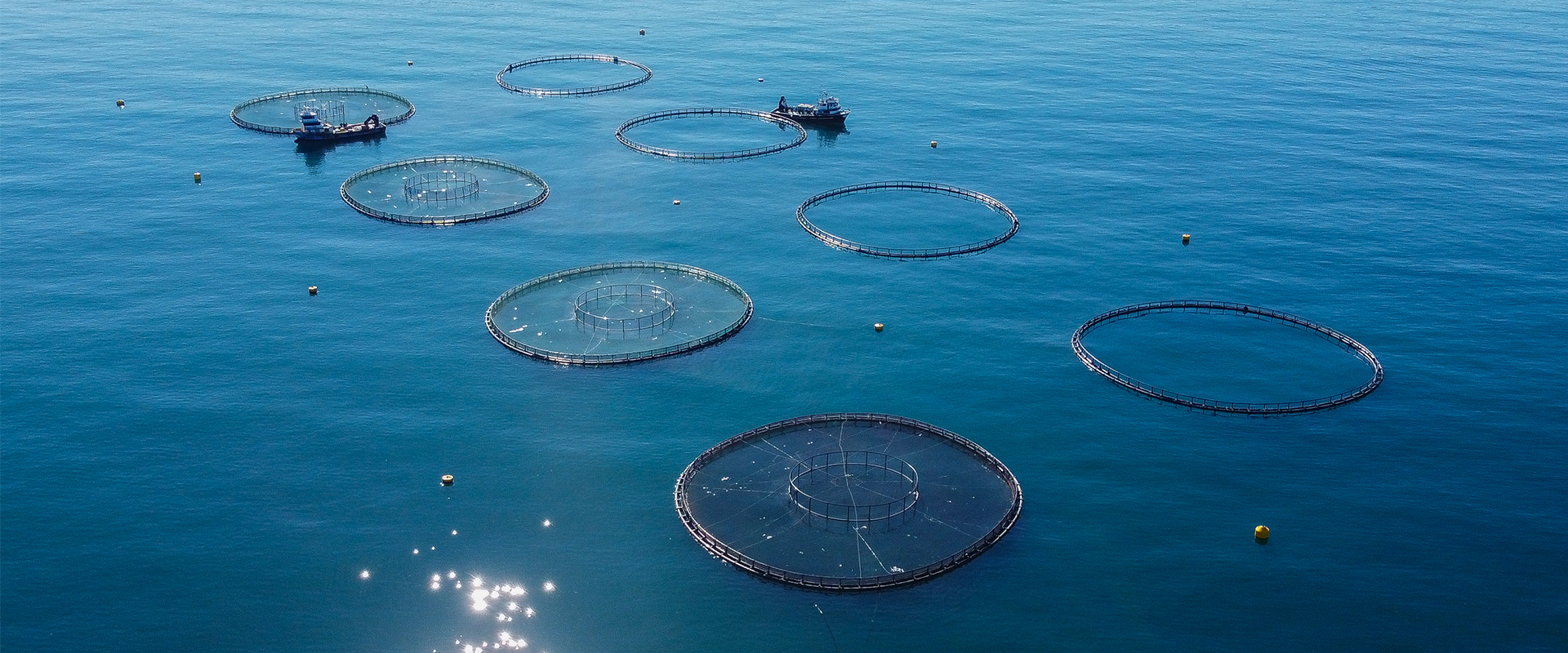
Turkish salmon has become a key player in the global seafood market, known for its quality and taste. Sourced sustainably from the pristine waters of Turkey, it meets international standards, making it highly sought after by businesses worldwide. This guide aims to equip B2B buyers with the necessary insights and information about Turkish salmon, from procurement strategies to understanding its unique attributes in the market. Understanding the nuances of this product can lead to successful partnerships and enhanced product offerings.
Unlocking the Potential of Turkish Salmon for International Buyers
The demand for Turkish salmon is driven by its exceptional flavor and the sustainable fishing practices employed in its production. Turkey’s coastal regions, particularly Samsun, are equipped with advanced farming techniques that ensure high-quality output. Businesses looking to integrate Turkish salmon into their offerings can benefit from its versatility, whether for restaurants, retailers, or importers. This guide discusses critical aspects of procurement, including identifying trustworthy suppliers, assessing product quality, and understanding pricing dynamics in the international market. Key factors such as freshness, taste profile, and nutritional value make Turkish salmon a preferred choice among consumers, emphasizing the importance of sourcing from reputable producers like Kıyak Group. Furthermore, exploring logistical considerations such as shipping times and international regulations can enhance procurement efficiency. As the market for seafood continues to expand, leveraging the growing reputation of Turkish salmon can provide businesses with a competitive edge in the culinary scene, which increasingly embraces diverse and high-quality fish varieties.
Quality and Sustainability
Turkish salmon is produced through sustainable practices that adhere to international quality standards.
Market Demand
The rise in popularity of seafood around the world positions Turkish salmon favorably in the market.
Supplier Relationships
Building strong relationships with reliable suppliers ensures consistent quality and supply.
Potential Across Eurasian Markets
Turkish salmon can be considered by buyers across Eurasian markets seeking alternative seafood origins and flexible product formats. Regional trade relationships, transport availability, local consumer preferences, import procedures, and seasonal demand all influence how each export program should be structured.
Retail Opportunities in Nearby Markets
Nearby regional markets can offer opportunities for supermarket seafood counters, retail-ready packs, specialty fish shops, and online grocery channels. Buyers should select Turkish salmon formats based on local shelf conditions, consumer pack sizes, labeling rules, and distribution speed.
Cross-Border Road Freight Potential
For destinations connected through practical overland routes, refrigerated road freight can support direct Turkish salmon delivery programs. Route selection should consider border procedures, transit time, product condition, driver scheduling, temperature monitoring, receiving hours, and the importer's warehouse location.
Sea Freight for Regional Distribution
Sea freight may be evaluated for suitable frozen or larger-volume Turkish salmon shipments, depending on route availability and destination requirements. Importers should coordinate container conditions, port procedures, transit schedules, customs clearance, and onward refrigerated delivery before selecting this option.
Regional Processing Infrastructure
Turkish salmon export depends on coordinated local operations that connect production areas with processing, packaging, cold storage, and transport services. This regional infrastructure helps convert harvested fish into buyer-specific formats suitable for wholesale, retail, food service, or further processing.
Local Employment and Seafood Expertise
Aquaculture, processing, packaging, quality control, cold storage, and logistics create specialized work across the Turkish salmon supply chain. This local knowledge supports daily production activities and contributes to the operational experience required for preparing seafood for international markets.
Regional Cold-Chain Coordination
Maintaining Turkish salmon quality requires cooperation between local processors, cold stores, transport companies, freight forwarders, and destination partners. Regional cold-chain coordination supports controlled movement from the production area to international loading and onward delivery.

Frequently Asked Questions
What packaging materials are used for Turkish salmon?
Packaging materials vary by fresh or frozen condition, product format, transport method, case size, and buyer program. Exporters should describe the proposed inner and outer packaging, insulation or ice system where relevant, label placement, and pallet configuration in the quotation.
What payment terms are available?
Payment terms vary by exporter, buyer history, order size, destination, risk assessment, and commercial agreement. The quotation or contract should clearly state currency, deposit, balance timing, banking details, charges, required documents, and any credit conditions.
What information should appear in a purchase inquiry?
A useful inquiry should include company and destination, product format, fresh or frozen condition, size, processing, quantity, packaging, label needs, delivery term, target date, transport preference, documents, and any special quality criteria. Complete requests receive more accurate responses.
Which Incoterms can be used for Turkish salmon?
Available Incoterms depend on the exporter, buyer, transport mode, destination, and commercial agreement. Both parties should confirm the named place and understand responsibility for freight, insurance, clearance, local charges, risk transfer, and final delivery before signing the order.
Can Turkish salmon be vacuum packed?
Vacuum packaging may be available for suitable fresh, chilled, or frozen formats when supported by the processor. The buyer should confirm pack weight, product format, storage conditions, shelf-life responsibility, label details, carton configuration, and destination requirements.
Can forecast volumes be reserved?
Production or shipment capacity may be reserved through a forecast and commercial agreement, subject to supplier policy. Buyers should discuss expected monthly volumes, size mix, packaging, flexibility, confirmation deadlines, payment terms, and procedures for forecast changes.

A Flexible Product for Multiple Channels
Overall, Turkish salmon can serve supermarket counters, retail packs, seafood wholesalers, hotels, restaurants, caterers, processors, and online sellers. This channel flexibility allows importers to distribute one product family across different customer groups while adapting presentation to each market.
Explore related content
Continue with pages and guides that complement this topic.