
A B2B Guide to Turkish Salmon for Export Procurement
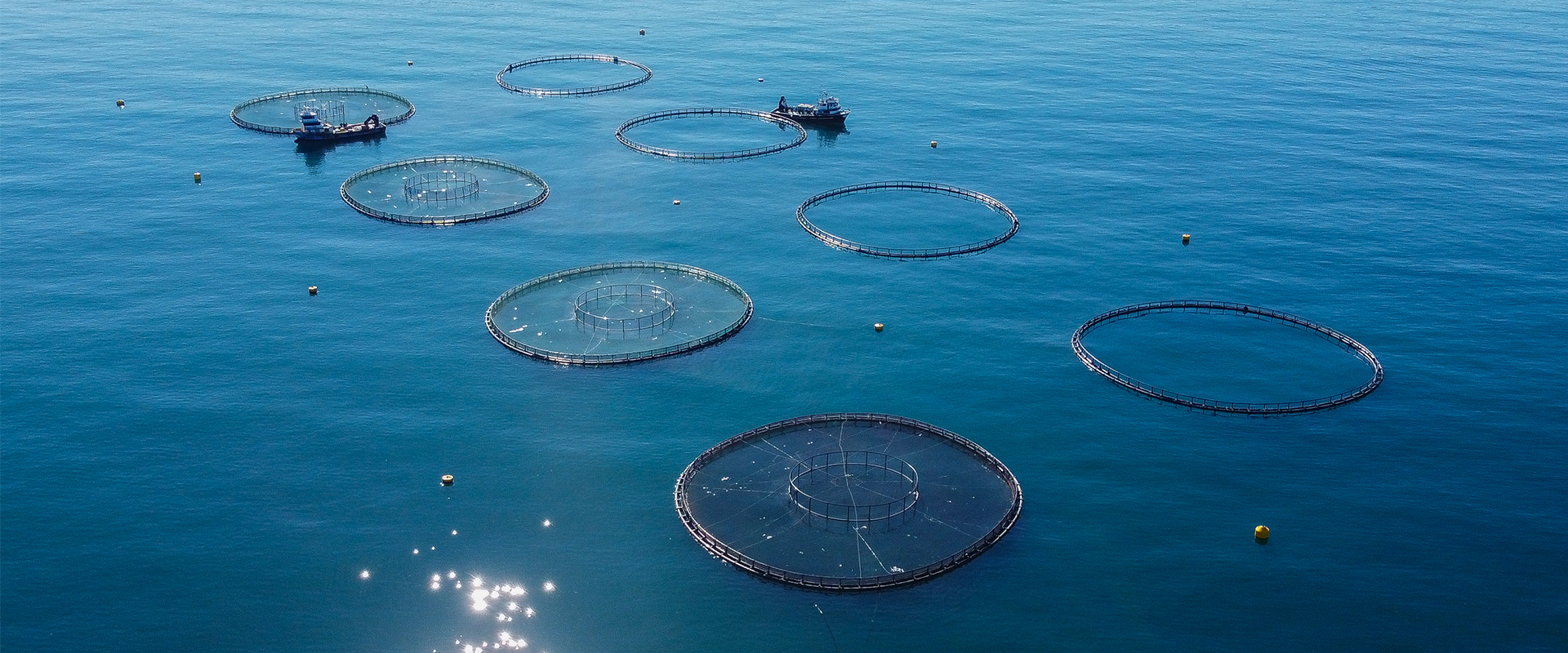
Turkish Salmon is rapidly gaining recognition in global markets due to its quality and taste. This guide highlights the unique attributes of Turkish Salmon, sourced primarily from the pristine waters off the Turkish coast, particularly near Samsun. Understanding its distinct flavor profile and nutritional benefits is crucial for businesses looking to enhance their seafood offerings. Through this guide, businesses will gain insights into the procurement process, ensuring a seamless entry into the market for high-quality Turkish Salmon.
Unlocking the Potential of Turkish Salmon: A B2B Guide
Turkish Salmon, produced by firms like Kıyak Group, stands out not only for its exceptional taste but also for its sustainability practices. Sourced from local waters, Turkish Salmon is renowned for its rich texture and flavor, appealing to consumers worldwide. The procurement of this fish entails various factors, including quality checks, the importance of freshness, and compliance with international exports standards. Partnering with reliable suppliers ensures that businesses receive the best products available. Additionally, the production processes involved in creating Turkish Salmon often involve advanced technologies that ensure sustainability and minimize ecological impact. This is beneficial for businesses that prioritize eco-friendly sourcing practices. Furthermore, by leveraging the advantages of Turkish Salmon, companies can differentiate their offerings, cater to health-conscious consumers, and establish a reputation for quality in the competitive fish market. The demand for Turkish Salmon continues to rise, presenting ample opportunities for businesses to drive growth and profitability through strategic procurement.
Quality Assurance
Turkish Salmon is subject to stringent quality checks, ensuring top-tier products for export.
Sustainability Practices
Utilizing eco-friendly methods in salmon farming, promoting environmental health.
Market Demand
Increasing global demand for Turkish Salmon presents lucrative opportunities for businesses.
Responsible Aquaculture Requires Measurable Practices
The environmental performance of Turkish salmon depends on how individual farms and supply chains are managed. Responsible aquaculture involves attention to feed use, fish health, water quality, stocking practices, escapes, waste management, energy, worker welfare and compliance with applicable regulations. Sustainability should not be assumed from country of origin or product name alone. Buyers seeking environmental assurances can request current farm information, audit evidence, certification status where applicable and measurable improvement data. They should also examine processing yield, packaging and transport because impacts continue beyond the farm. Accurate, specific claims are more credible than broad statements, and any certification logo or sustainability message must be supported by valid documentation for the exact product supplied.
Naturally Occurring Vitamins and Minerals
In addition to protein and fat, Turkish salmon may provide useful micronutrients commonly associated with oily fish, including vitamin B12, vitamin D, selenium and phosphorus. These nutrients support several normal functions in the body, but the quantity present depends on the specific product and portion. Nutritional communication should therefore avoid treating every fillet as identical or making medical claims that are not supported by approved evidence. A supplier specification, nutrition panel or accredited laboratory report is the right reference for exact values. From a menu-planning perspective, the fish works well with vegetables, whole grains, legumes and salads, creating complete meals that combine protein, fiber and a broad range of micronutrients.
What Is Turkish Salmon?
Turkish salmon is the commercial name commonly used for large rainbow trout, Oncorhynchus mykiss, raised in Türkiye under controlled aquaculture conditions. It is not the same species as Atlantic salmon, yet its generous fillet size, firm texture, appealing color and rich taste make it suitable for many of the same culinary applications. Production programs may combine freshwater farming with a marine growth stage, depending on the farm and region. For buyers, the name describes a distinctive Turkish aquaculture product whose specifications can vary by producer, harvest season, processing format and target market. Product decisions should therefore be based on verified size, trim, origin and quality documents rather than the commercial name alone.
Whole Fish Export Format
Turkish salmon can be supplied as whole fish for buyers who prefer to handle cutting, filleting, or portioning within their own facilities. This format is suitable for seafood wholesalers, fish markets, and processors seeking maximum control over yield, presentation, and downstream product development.
Quotation and Commercial Agreement
A commercial quotation is prepared according to the confirmed product, quantity, delivery term, destination, freight arrangement, payment conditions, and estimated shipment period. Once the buyer approves the offer, both parties document the order details so procurement and production teams can proceed with the same information.
Evaluate Fresh or Frozen Supply
The choice between fresh and frozen Turkish salmon should reflect transit time, inventory turnover, storage capacity, sales forecast, and customer use. Fresh formats suit rapid chilled distribution, while frozen formats can support longer storage periods, wider delivery coverage, and more flexible stock planning.
Accurate Label and Batch Coding
Correct product names, weights, batch references, storage instructions, and buyer-specific label details support transparent distribution. Accurate Turkish salmon labeling reduces receiving confusion, improves warehouse control, and helps products remain identifiable through retail, food-service, and processing channels.

Frequently Asked Questions
How are freight costs calculated?
Freight costs depend on origin, destination, transport mode, shipment weight and volume, temperature requirement, seasonal capacity, fuel and handling charges, customs services, and delivery scope. Quotes should state whether freight is included and how long the rate remains valid.
Can Turkish salmon be vacuum packed?
Vacuum packaging may be available for suitable fresh, chilled, or frozen formats when supported by the processor. The buyer should confirm pack weight, product format, storage conditions, shelf-life responsibility, label details, carton configuration, and destination requirements.
Can Turkish salmon be packed for supermarket display?
Retail-display packs may be developed according to buyer volume and supplier capability. Pack size, tray or pouch format, label language, barcode, product name, storage instructions, artwork approval, shelf presentation, and destination compliance must be confirmed in advance.
Who approves private-label artwork?
The buyer normally provides or approves brand artwork, while the exporter confirms production feasibility and printing requirements. Both parties should sign off on the final file, product details, dimensions, colors, barcode, language, and mandatory information before packaging is produced.
Where is Turkish salmon produced?
Turkish salmon production is associated with aquaculture operations in Türkiye and the wider Black Sea supply context. Exact farming, processing, and packing locations vary by supplier, so buyers should request documented origin and facility information for the specific shipment.
Can Turkish salmon be individually quick frozen?
Individually quick frozen formats may be available for fillets or portions depending on processor capability. Importers should request details about product size, glazing if applicable, inner packaging, carton count, storage temperature, and the method used for the quoted item.

Feedback Drives Continuous Improvement
Post-delivery feedback from receiving teams, distributors, retailers, chefs, processors, and customers can guide future Turkish salmon orders. Reviewing this information helps improve sizing, processing, packaging, logistics, and market positioning over time.
Explore related content
Continue with pages and guides that complement this topic.