
A B2B Guide to Turkish Salmon for Commercial Import
Turkish Salmon stands out in the seafood market, offering a unique blend of flavor, sustainability, and quality. Sourced from the rich waters of Turkey, it represents a significant opportunity for businesses looking to enhance their seafood offerings. This guide delves into the nuances of importing Turkish Salmon, covering its production processes, quality standards, and critical market insights that can empower businesses to make informed decisions and secure profitable arrangements in the export environment. Emphasizing both quality and sustainability, Turkish Salmon caters to the rising demand for premium seafood globally.
Understanding the Value of Turkish Salmon in Global Markets
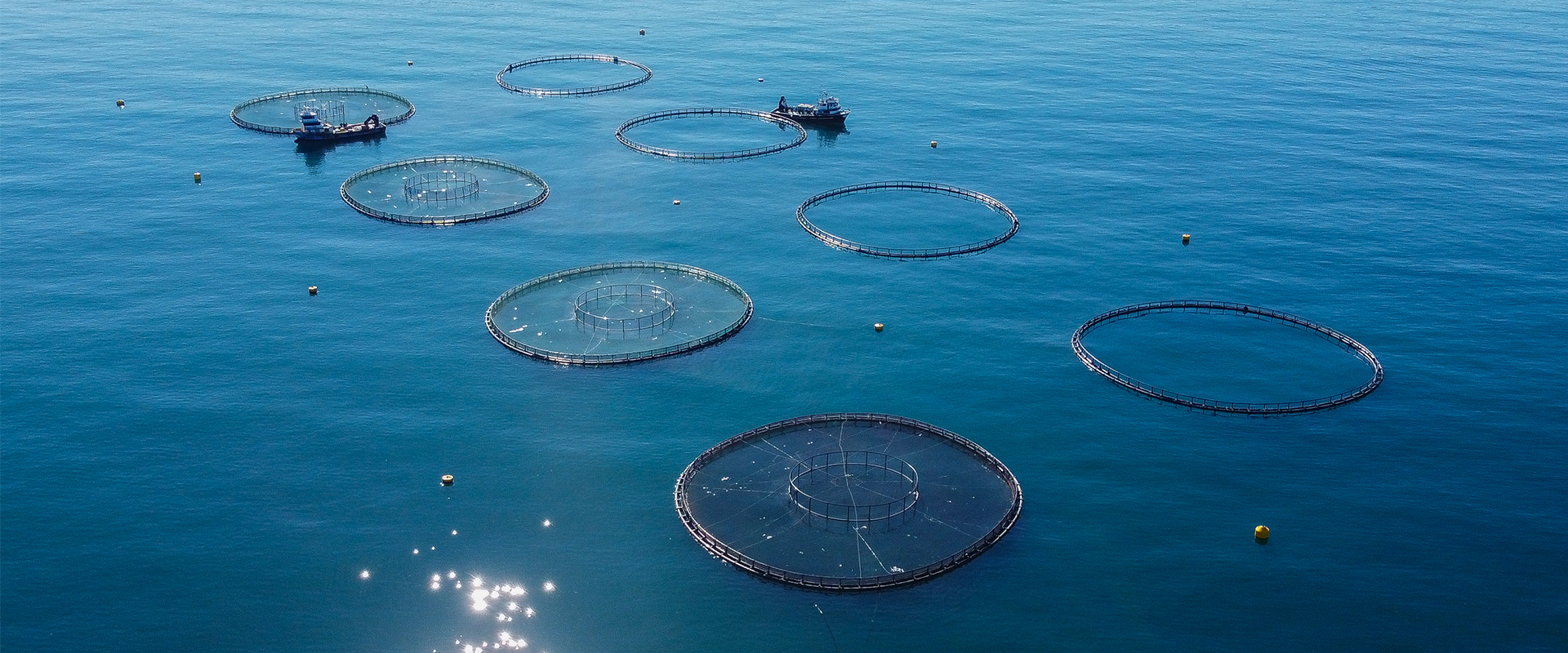
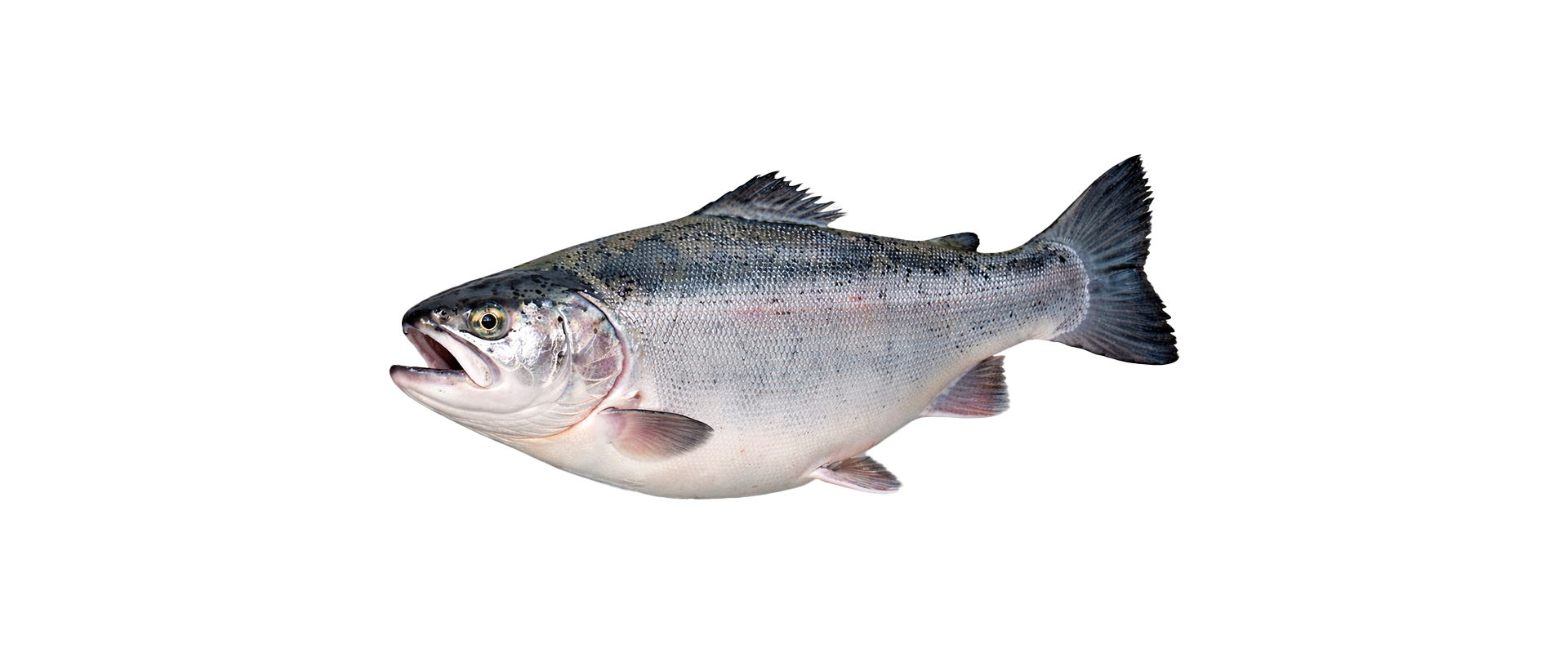
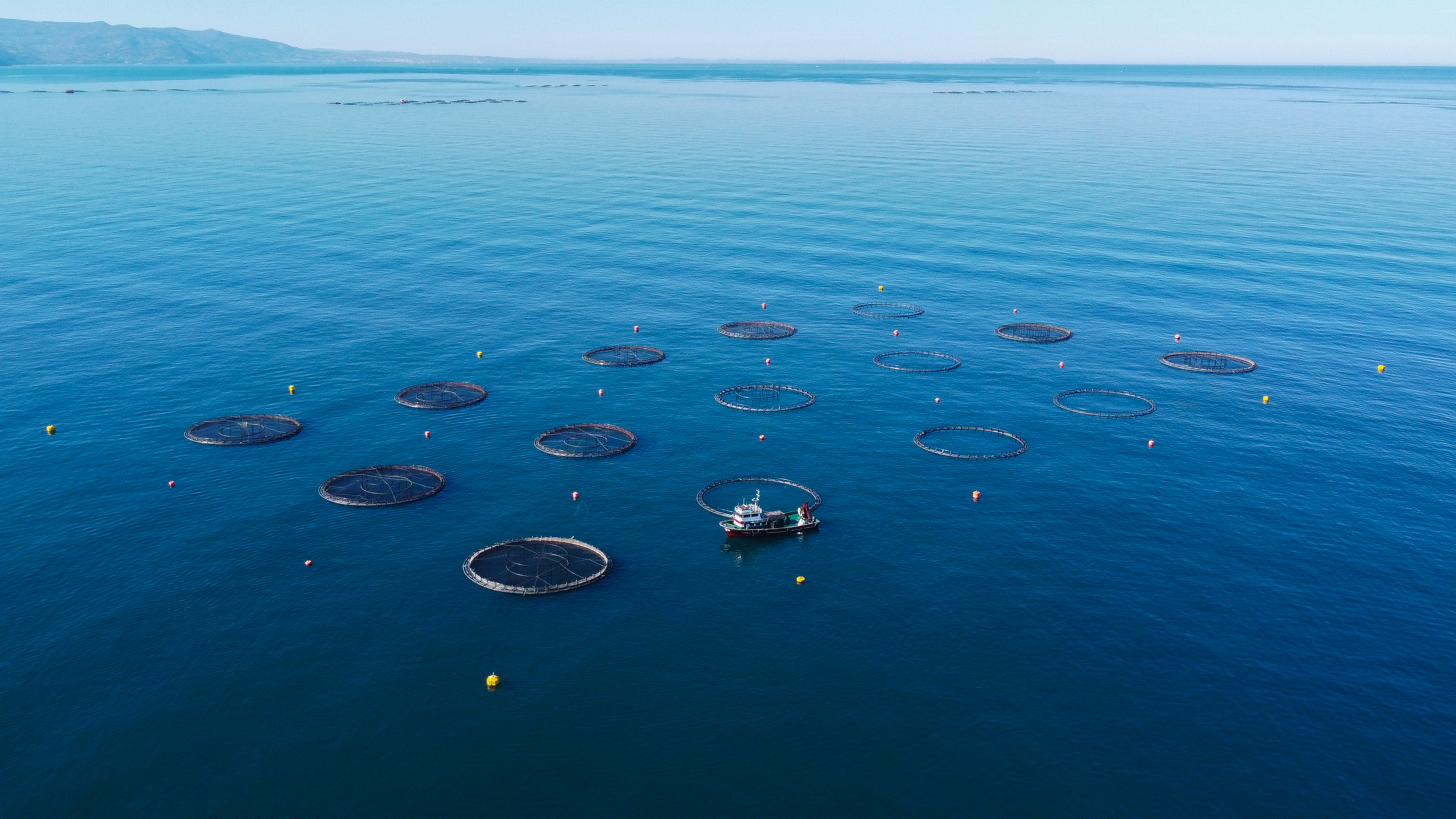
The appeal of Turkish Salmon extends beyond its taste; it embodies a commitment to sustainable fishing practices, meticulous production techniques, and rigorous quality control. Kıyak Group, a prominent player in the Turkish fishing industry, is renowned for its salmon production in Samsun, Turkey. The company adheres to international standards to ensure that their products meet the needs of commercial buyers worldwide. Once harvested, the salmon undergoes strict quality checks and processing to maintain its freshness and flavor, essential for high-end markets. Furthermore, Turkey's geographical advantages provide optimal conditions for salmon farming, which contributes to the superior quality of the fish. Understanding the supply chain, from farm to fork, allows importers to assess potential risks and benefits. Importers are encouraged to engage with suppliers like Kıyak Group, benefiting from their professional expertise and reliable products. The growing market for seafood provides a significant opportunity for businesses prepared to invest in quality. By sourcing Turkish Salmon, importers can not only meet consumer demand but also promote sustainable practices that are increasingly becoming priorities in today's market.
Sustainable Farming Practices
Turkey's salmon farms follow eco-friendly methods to ensure fish welfare and environmental preservation.
Quality Assurance
Rigorous quality control measures are implemented throughout the production process to deliver top-notch seafood.
Market Potential
With a growing global demand for salmon, sourcing from Turkey can offer competitive advantages.
Trial Orders Build Confidence
A controlled trial shipment allows importers to evaluate Turkish salmon specifications, packaging, labeling, documents, transit performance, and market response before committing to larger volumes. The results help both parties refine expectations and establish a practical foundation for recurring trade.
Documented Storage Controls
Packed Turkish salmon is held in the appropriate chilled or frozen storage environment before loading. Batch organization, condition monitoring, stock rotation, and dispatch records support controlled warehouse operations and help ensure that the correct products are released for each order.
Reliable Shipment Verification
Loading teams can verify vehicle readiness, shipment references, batch quantities, case condition, and documentation before dispatch. This structured loading check strengthens confidence that the correct Turkish salmon order enters the planned refrigerated transport unit.
Destination Receiving Transparency
Importers can assess shipment identity, packaging, quantities, temperature, documents, and product condition using their receiving procedure. Recording observations immediately creates an objective basis for accepting the Turkish salmon shipment and communicating any issue to the exporter.
Traceable Production Records
Turkish salmon export programs can be supported by batch-based production, processing, packing, and shipment records. Clear traceability gives importers better visibility into product movement and helps them manage receiving checks, inventory control, customer questions, internal quality procedures, and supply-chain documentation.
Processing Control and Verification
Heading, gutting, filleting, trimming, deboning, and portioning operations can be checked against the confirmed order specification. This verification helps ensure that Turkish salmon is prepared in the format expected by wholesalers, retailers, food-service buyers, and processors.
Accurate Label and Batch Coding
Correct product names, weights, batch references, storage instructions, and buyer-specific label details support transparent distribution. Accurate Turkish salmon labeling reduces receiving confusion, improves warehouse control, and helps products remain identifiable through retail, food-service, and processing channels.
Frequently Asked Questions
How should a sample be evaluated?
Buyers should assess the sample against written criteria such as format, size, trimming, appearance, packaging, label, preparation performance, yield, and intended customer use. Results should be documented and converted into an approved specification for future commercial orders.
Can Turkish salmon be shipped door to door?
Door-to-door delivery may be arranged through suitable logistics providers and agreed trade terms. Feasibility depends on origin, destination, customs responsibilities, cold-chain continuity, local delivery access, shipment size, and the services included in the quotation.
Can Turkish salmon be distributed through e-commerce?
Retail-packed or portioned Turkish salmon may suit online seafood and grocery channels when appropriate cold-chain packaging, labeling, delivery time, storage instructions, and last-mile handling are established. The e-commerce operator should validate the complete delivery process.
Can Turkish salmon be packed for supermarket display?
Retail-display packs may be developed according to buyer volume and supplier capability. Pack size, tray or pouch format, label language, barcode, product name, storage instructions, artwork approval, shelf presentation, and destination compliance must be confirmed in advance.
Can Turkish salmon be supplied for further processing?
Whole fish, headed and gutted products, fillets, or other suitable formats may be supplied to processors. The buyer should define intended output, equipment needs, yield expectations, raw-material size, temperature condition, packaging, and delivery frequency.
What information should appear in a purchase inquiry?
A useful inquiry should include company and destination, product format, fresh or frozen condition, size, processing, quantity, packaging, label needs, delivery term, target date, transport preference, documents, and any special quality criteria. Complete requests receive more accurate responses.
A Flexible Product for Multiple Channels
Overall, Turkish salmon can serve supermarket counters, retail packs, seafood wholesalers, hotels, restaurants, caterers, processors, and online sellers. This channel flexibility allows importers to distribute one product family across different customer groups while adapting presentation to each market.
Explore related content
Continue with pages and guides that complement this topic.