Preparation and Quality Process for Fish OilKey Factors in Fish Oil Quality and Production
Understanding the production and quality assurance processes is vital for ensuring high-quality fish oil suitable for aquaculture and nutritional applications.
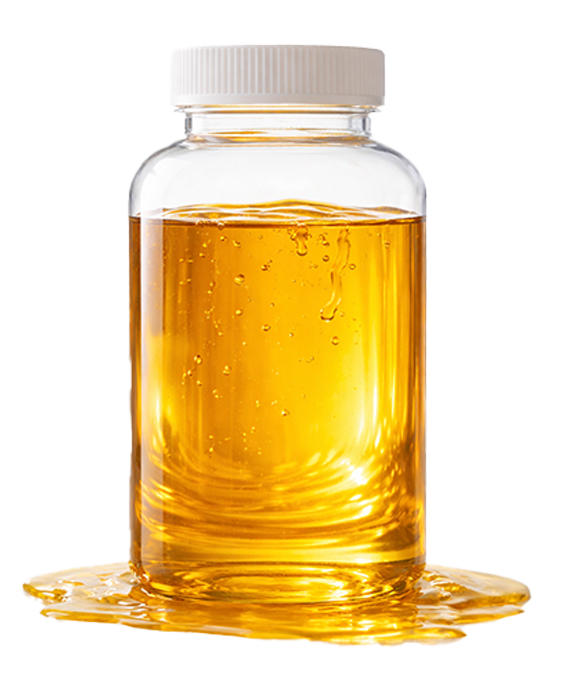
Fish oil, predominantly derived from Black Sea anchovy, undergoes meticulous preparation to ensure its quality and efficacy. The production begins with immediate chilling of raw materials post-catch to prevent degradation, followed by a controlled cooking and pressing process. These methods ensure that the omega-3 fatty acids, EPA and DHA, are preserved and remain bioavailable for both fish feed and human nutrition applications.
Quality control is an essential part of fish oil production. At Kıyak Group, we adhere to strict protocols, backed by certifications including HACCP, ISO 9001, and Friend of the Sea, which guarantees traceability throughout the supply chain. Each batch undergoes extensive testing, ensuring that it meets safety and quality standards, catering to international B2B markets.
Selecting high-quality fish oil necessitates understanding its specific properties. Potential buyers should consider factors such as the source of the fish, the production methods employed, and certifications supporting the product’s quality claims. Products must be processed in stainless-steel tanks to avoid contamination and preserve the oil's nutritional profile, further enhancing its value in aquaculture feed formulations.
The right fish oil not only enhances the nutritional value of feed but also supports fish health and growth performance. Proper formulation with omega-3-rich fish oil can contribute to immune support, ensuring robust development in sea bass and sea bream.
In summary, the quality of fish oil can be determined by its sourcing, production methods, and certifications. Buyers should insist on transparency and strong quality control practices, ensuring the fish oil they procure meets both their nutritional requirements and regulatory standards.
- Immediate chilling of fish post-catch to maintain freshness
- Controlled cooking and pressing to preserve omega-3 fatty acids
- Certification for quality assurance and traceability
- Stainless-steel storage to prevent contamination
- Robust testing to meet international safety and quality standards.